
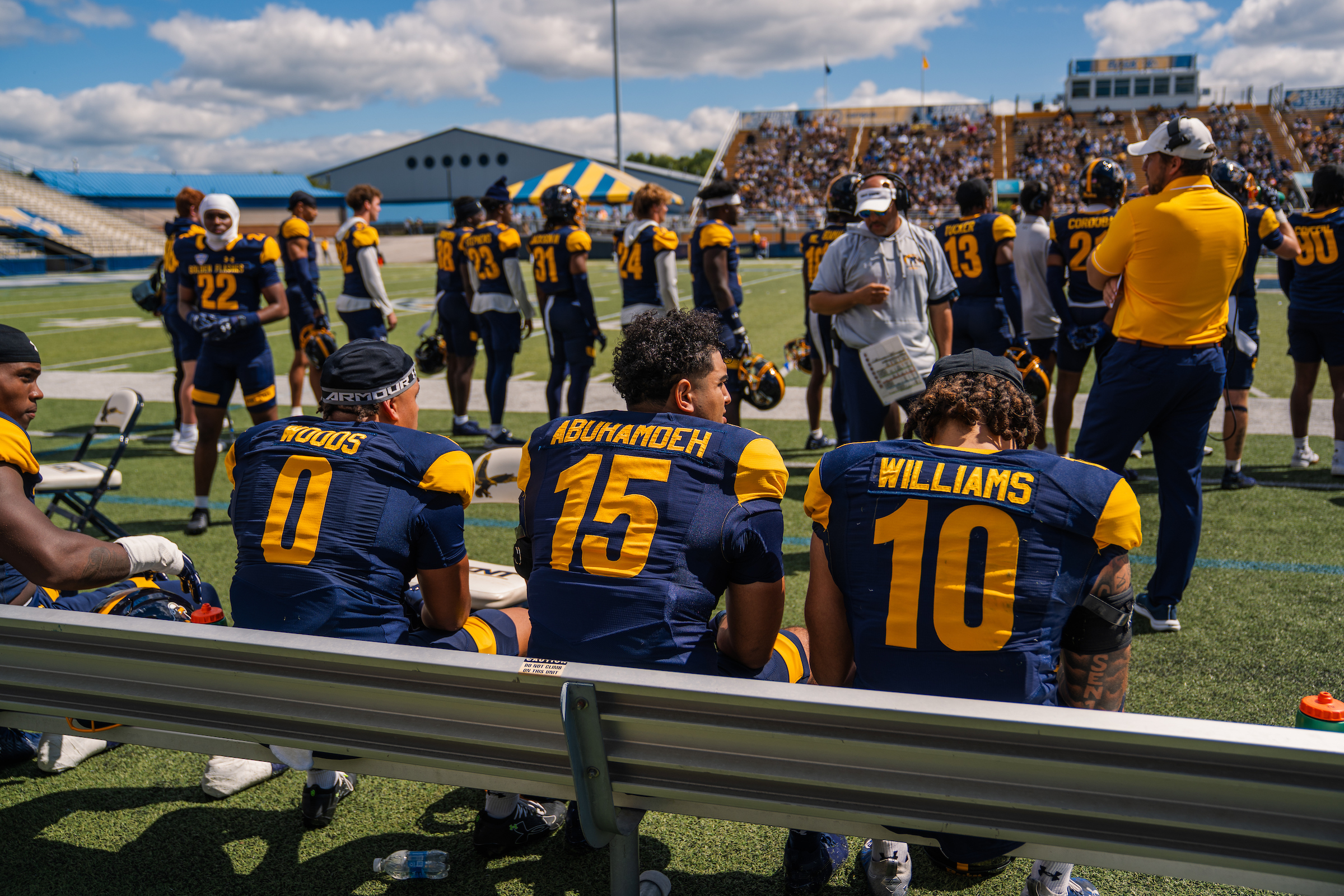
Kent State University's expertise in exercise science made national headlines this week when Ellen Glickman, Ph.D., professor of exercise physiology, was featured in The Wall Street Journal's Climate & Energy newsletter.
The July 16 piece, "How a Hotter Planet Is Changing the Business of Sports," explored how rising global temperatures are forcing leagues, tournaments and even the Olympics to rethink schedules, venues and player safety protocols.

Reporter Ed Ballard turned to Glickman alongside researchers from the University of Toronto, the University of Oregon and the University at Buffalo to make sense of a summer marked by mandatory hydration breaks at the World Cup, a heat-shortened Tour de France stage and wilting greens at the British Open.
Glickman's inclusion places Kent State among a small group of institutions shaping the national conversation on heat, health and the future of athletic competition.
"Sport has often been ahead of the curve," Glickman told the Journal, pointing to advances in hydration planning and individualized athlete monitoring that trace back to sports science research. She also noted the tension at the heart of the issue: keeping athletes safe in extreme heat while balancing fan expectations and the economic pressures that drive professional and Olympic sports.
Glickman's comments underscore the real-world impact of the research happening in Kent State's College of Public Health and Health Sciences, where faculty have expertise to support athletes, leagues and policymakers navigating the intersection of climate and human performance.
Read the full Wall Street Journal article, "How a Hotter Planet Is Changing the Business of Sports," for Glickman's full comments and more on how heat is reshaping the sports world.