
Parents & Families

College Credit Plus can give your student an opportunity to earn college credit, explore academic interests and experience college-level learning while still in middle or high school.

As a parent or guardian, you can help your student decide whether CCP is the right fit, understand the responsibilities that come with taking college courses and support them throughout their Kent State experience.

Parents and Families Weekend

Is College Credit Plus Right for My Student?

CCP students take college-level courses and are expected to meet the same academic standards as other Kent State students.

Before your student applies, talk together about whether they're ready for the independence, responsibility and expectations that come with college coursework.

Questions to Ask Your Student

Before choosing CCP, parents should talk about the expectations of CCP with their child and how the program might work for them. Key questions include:

  • Does the student want to pursue CCP?
  • Is the student ready for more mature, challenging coursework?
  • Will the student be comfortable advocating for themselves?
  • Is the student self-motivated and proactive already?
  • How will the student balance coursework with extra-curricular activities?
  • How does CCP fit into the student's plans for the future?

Parents can talk with a Kent State academic advisor or school counselor for more information on the benefits, expectations and responsibilities of CCP before making a decision.

Schedule & Transportation

Consider how college courses will fit with your student's middle or high school schedule, activities, work and other responsibilities.

If your student will take courses on a Kent State campus, consider transportation and whether they'll be able to get to class consistently, including when their school is not in session.

College-Level Expectations

CCP students are responsible for attending and participating in class, keeping track of assignments and deadlines, communicating with instructors and asking for help when they need it.

They may also take courses alongside traditional college students of different ages and backgrounds.

Students in CCP courses should be:

  • Independent and able to work diligently
  • Responsible and accountable for assignments and deadlines
  • Mature, both academically and personally
  • Proactive and able to communicate effectively with instructors and faculty
  • Prepared for challenging work and new materials
  • Skilled with time management and balancing work
Course Content & Academic Freedom

College courses may include mature subject matter or materials and are not modified because middle or high school students are enrolled.

College faculty determine course materials, grading practices and classroom policies.

Grades, Costs & Future Impact

CCP courses become part of your student's academic record. Before participating, make sure your family understands how college grades may affect your student's academic plans, circumstances that could result in financial responsibility and how CCP coursework could affect future college plans.

Talk with your student about taking college coursework seriously and asking for help early if they begin to struggle.

What Parents & Families Need to Know

Find answers to questions about student records, costs, academic concerns and supporting your student throughout their CCP experience.

Student Records, FERPA & KSUview

Why can't I access my student's records?

The Family Educational Rights and Privacy Act, or FERPA, protects the privacy of student education records. Because CCP students are attending Kent State, these protections apply to their Kent State education records.

Students can use KSUview to give a parent, guardian or other designee access to selected information in FlashLine. Students determine what information a designee can view.

Through KSUview, students can:

  • Choose designees who have access to select student information
  • Select the information they wish to share
  • Set time limits on access
  • Change or remove access at any time

For questions on student information, designees must contact the student.

A student can also complete a FERPA authorization when they want Kent State representatives to discuss protected student information with another person.


Why did my student receive a 1098-T form?

Kent State issues a 1098-T tuition statement to all Kent State students, including students participating in College Credit Plus. Receiving a 1098-T does not mean that your family owes tuition.

Students can access their electronic 1098-T through FlashLine and can grant a parent or guardian access to the electronic form through KSUview. Questions about how the form applies to your taxes should be directed to a tax professional or the IRS.

Learn About FERPA & KSUview

Costs, Dropping & Withdrawing

Who pays for College Credit Plus?

For eligible public-school students, the middle/high school and Kent State share CCP costs according to a formula established by the State of Ohio or a negotiated agreement.

Students may be responsible for costs in certain circumstances, including withdrawing from or failing a course, failing to return books or returning materials in damaged condition. Home-school and nonpublic-school students have different state funding and book requirements.

Students may also be required to pay for a course if they:

  • Exceed the 30 credit hour annual limit
  • Take courses not approved by the local school district
  • Repeat a CCP course
  • Fail or withdraw late from a course

What if my student needs to drop or withdraw from a course?

Dropping or withdrawing from a college course can affect your student's high school requirements and college academic record and may result in financial responsibility.

Your student should talk with both their Kent State advisor and school counselor before changing their schedule.

View Drop & Withdrawal Information

Choosing Courses & Getting Academic Help

How can I help my student choose courses?

Your student's school counselor and Kent State academic advisor both play important roles in course planning. The school counselor can help your student understand how college courses fit high school graduation requirements and their school schedule. The Kent State advisor can help with course requirements, prerequisites, placement and choosing courses that support your student's academic goals.


What if my student is struggling in a course?

Encourage your student to talk with their instructor as soon as possible rather than waiting until the end of the semester.

Your student can also use Kent State academic support resources and talk with their Kent State academic advisor. Their school counselor should also be involved when a course issue could affect high school requirements or their high school schedule.

Kent State's tutoring services allow students to meet with an instructor or expert for help with course materials, assignments or upcoming exams. Tutoring services are free to students with expert tutors who are there to help students succeed.

Students may meet with tutors on-campus or online, depending on what is offered for each course.

Explore Courses & Pathways

Find Academic Support

Exploring Majors & Careers

How can I help my student explore majors and careers?

Beyond earning credits, CCP students can take steps toward a future career. Because CCP students are college students, they have the same access to career services as traditional college students.

While students take the lead in making career decisions, parents and guardians play an important role in supporting their journey. Parents can support students by:

  • Encouraging them to explore interests and strengths
  • Talking about possible majors and careers
  • Encouraging students to seek help from career services

By offering students support and encouragement through the process, parents and guardians can help students feel confident as they begin planning for the future.

Visit Career Exploration & Development

Using CCP Credits After High School

Will my student's CCP credits transfer to another college or university? 

The receiving college or university determines how Kent State coursework applies toward its degree requirements. If your student is considering another institution after high school, contact that institution to understand how the credits may transfer and apply. 


Can my student earn a degree?

College Credit Plus (CCP) allows students to earn real college credit while still in high school. These credits count toward college degrees and help students finish college sooner.

It is possible for students to earn a degree with CCP. Doing so takes planning, consistent effort and early advising.

Students can make the most of CCP credits by:

  • Working proactively with advisors: Students can get ahead by meeting regularly with advisors and working to schedule courses that help fulfill requirements.
  • Preparing a career trajectory: Having plans for a future degree can help students choose courses that help them the most.
  • Picking courses carefully: Carefully choosing courses that count toward a degree can help students graduate sooner.

Parents or guardians can play an important role by helping students stay organized and ask questions early. For questions about earning a degree with CCP or how to maximize CCP credits, students should contact their academic advisor.


Can my student continue at Kent State after high school? 

Yes. Your student has already begun their Kent State academic experience through College Credit Plus. They can explore how their CCP credits may apply toward a Kent State degree, discover undergraduate majors and learn about options for transitioning from CCP to a degree-seeking Kent State student after high school. 

Kent State's College Credit Plus Direct Admissions Program streamlines the transition for CCP students. Shortening the application process, CCP students may enroll at Kent State to earn their degree with a head start.

Explore Continuing At Kent State

Campus Life & the College Experience

What can my student expect as a Kent State student?

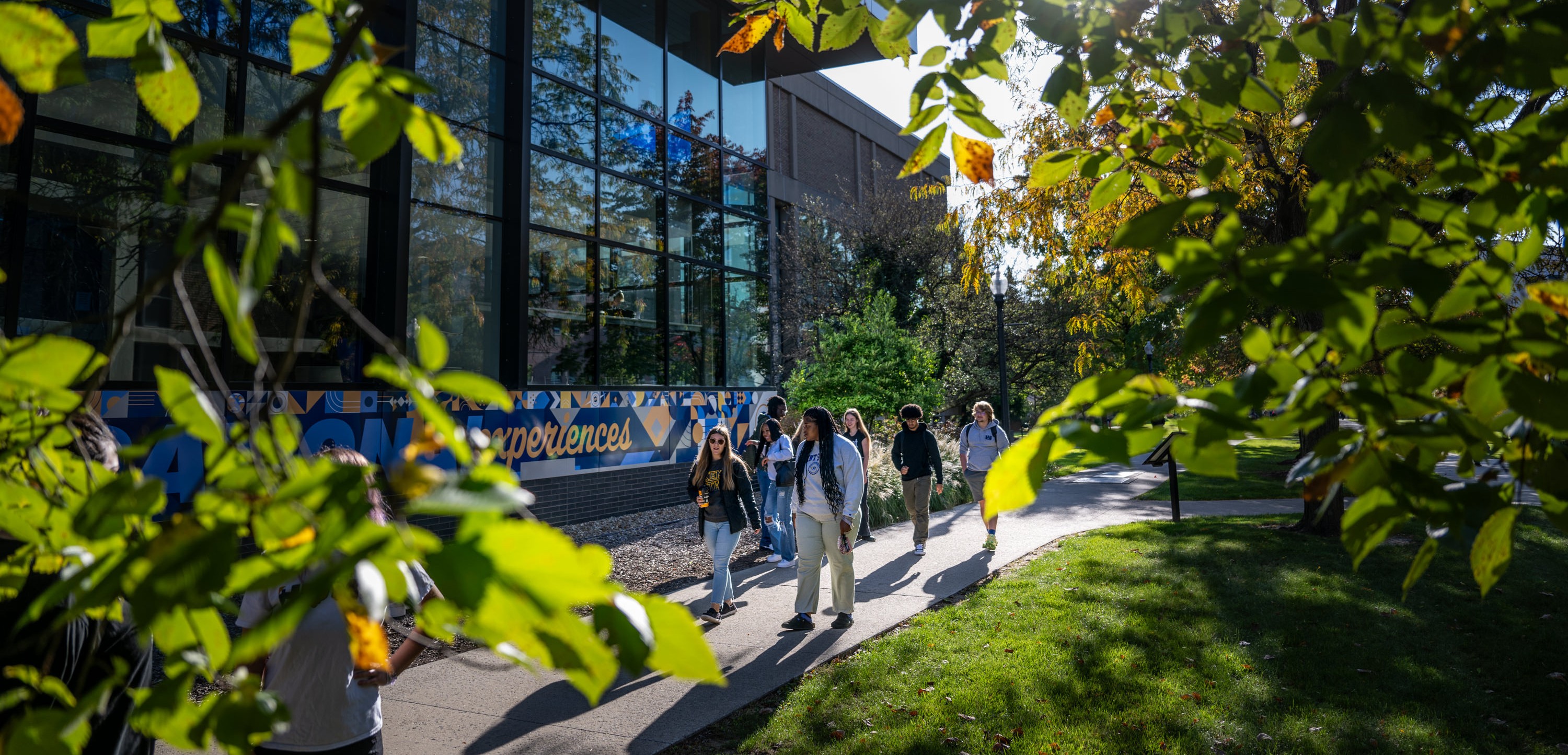
CCP students are Kent State students. They'll take college-level courses, learn from university faculty and have access to resources that support their academic experience.

Depending on the campus and what's available to CCP students, they may also have opportunities to become more connected to the Kent State community.

As college students, CCP students can participate in a number of campus activities, including:

  • Student clubs and organizations
  • Campus events and programs
  • Academic clubs and honor societies (with eligibility requirements met)
  • Performances, workshops and speaker events
  • Student support services (tutoring, library, advising etc.)

While CCP students can be active members of the Kent State campus community, there may be some limits to their activities, such as:

  • Recreation and Wellness Center – because they are tied to full-time undergraduate fees
  • Varsity athletics – governed by NCAA eligibility rules
  • Activities requiring full-time undergraduate status
  • Study abroad

Life at KSU

How to Help Your Student

Your role may change as your student begins taking college courses, but your support remains important. Help them understand what comes next and encourage them to take ownership of their Kent State experience.

Still Have Questions?

Can't find what you need? Contact the Kent State College Credit Plus team for help.

Contact the College Credit Plus Team